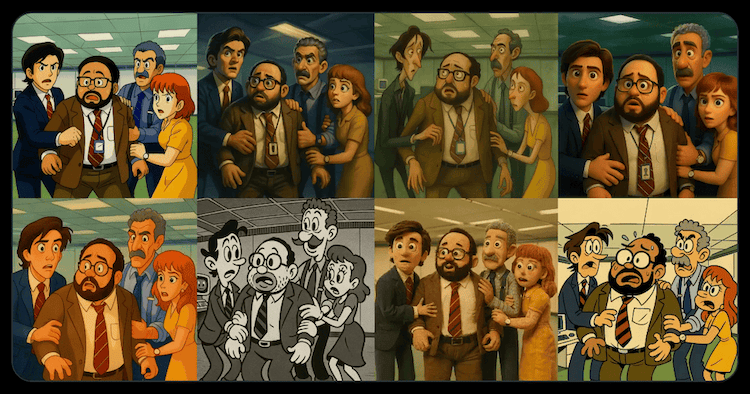
The ChatGPT Disruption
OpenAI shook the market with its new image generation model. Illustration styles and photorealism are now at the fingertips of anyone who can clearly communicate to ChatGPT 4o what they want to see. Is the world ready for yet another disruption?
Disruption in fiction
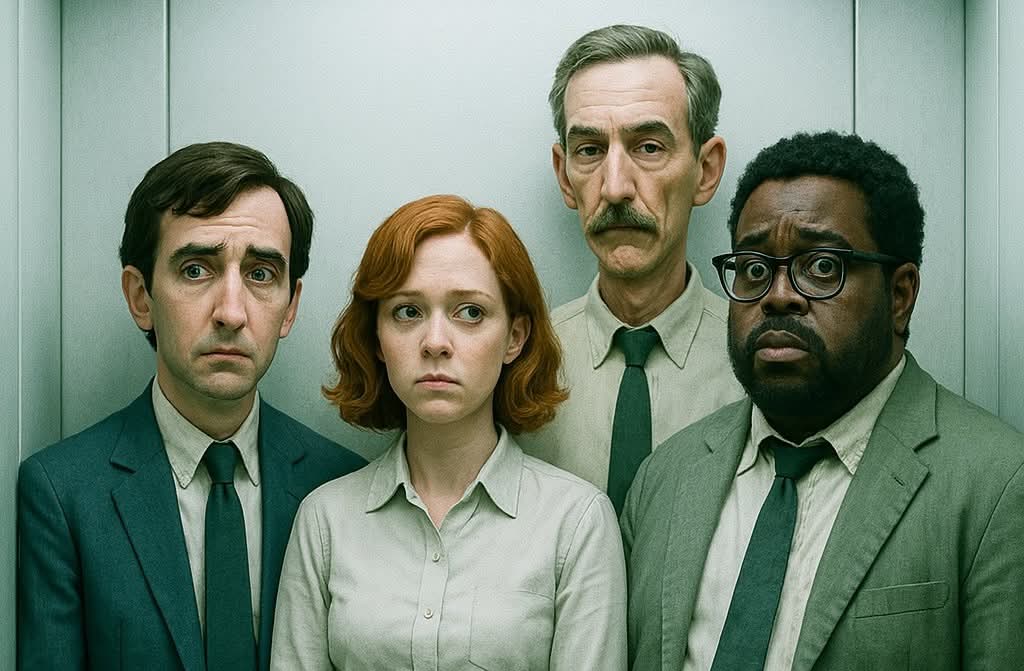
Imagine a reality where you completely separate your work life from your personal life. At home, you have zero memory of work; at work, you have zero memory of home. (Honestly, that sounds kind of nice.)
If you’re on planet Earth at the moment my fingers type these words, you probably know that’s the intriguing premise of “Severance” on Apple TV — a series that explores in a gripping and unsettling way the psychological and social consequences of that radical separation.
Disruption in the real world
This month, OpenAI launched a new image generation feature in ChatGPT, triggering an equally profound disruption — not in the human brain, but in the market and in the way we interact (and will increasingly interact) with this kind of technology.
This new version of ChatGPT brought impressive capabilities for content generation, natural interaction, deep understanding, and autonomy that I hadn’t seen in its competitors until now.
According to OpenAI’s website, the key capabilities are:
- Consistent character and context creation;
- Text rendering done right (finally!);
- Re-styling of uploaded images;
- Images with transparent backgrounds;
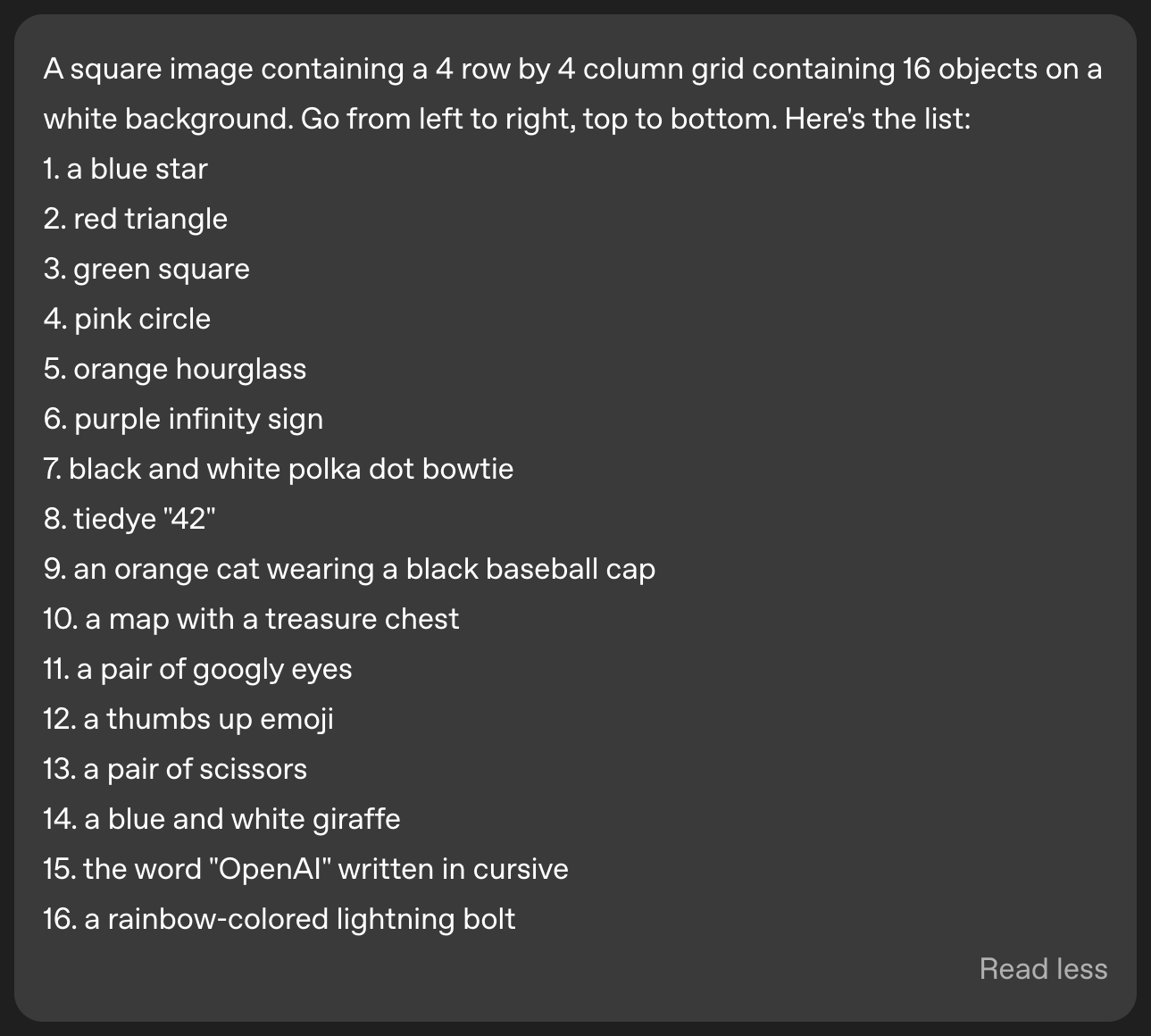
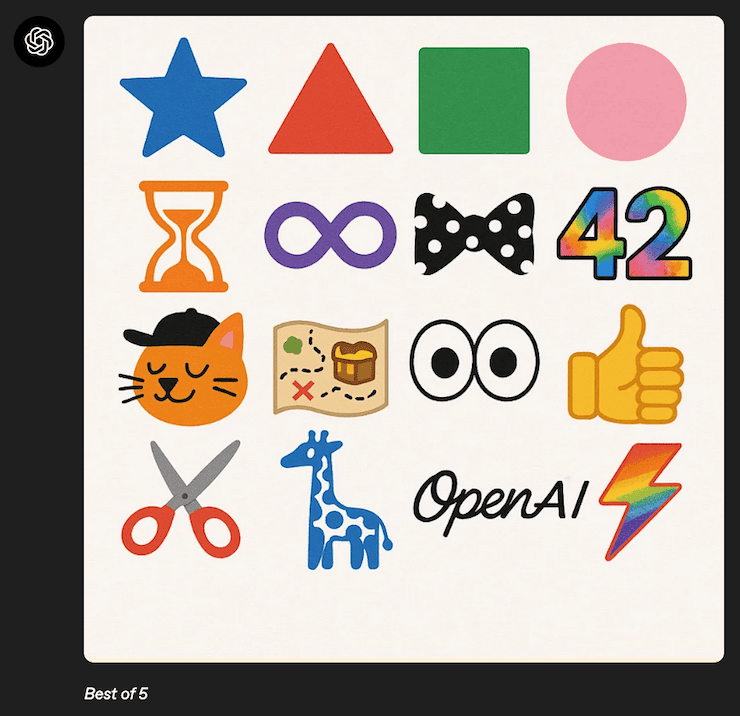
- Broad understanding of detailed instructions — like organizing objects within an image:
Result:
Ghibli overdose and boiling GPUs
Here’s what happened when this launched:
- Reddit posts declaring it’s the end of illustrators (just like Claude Code was supposedly the end of devs);
- Timelines flooded with memes drawn in the style of Studio Ghibli (legendary creators of My Neighbor Totoro and Spirited Away);
- OpenAI’s servers literally overheating in their datacenters;
- Chaos, absolute chaos on social media.
Just like the characters in Severance question the ethical and existential limits imposed by the radical splitting of the mind, ChatGPT’s new capabilities raise fundamental questions about our relationship with Artificial Intelligence.
To what extent do we want — or should we allow — AI systems to act with creative and cognitive independence?
What psychological and social impacts emerge when we accept increasingly autonomous artificial intelligences capable of producing knowledge, entertainment, and complex decisions without direct human intervention?
I have no idea. I only asked to sound smarter than I am.
Conclusion: Cold Harbor
This technological disruption brought on by ChatGPT profoundly alters market dynamics, threatening traditional professions while creating unprecedented opportunities — a scenario not unlike the unsettling power dynamic between employees and corporations depicted in the Apple TV series.
Both disruptions, while different in nature, share the same underlying thread: the human challenge of redefining identities, purposes, and ethical limits in the face of extreme innovation.
While the characters in the series grapple with the consequences of psychological severance, we as a society are just beginning to confront the consequences of this technological disruption brought by OpenAI.
Hayao Miyazaki, director of Studio Ghibli, has already shared his thoughts on the use of AI in animation:

Just like in the fictional universe of Apple TV, it’s time to reflect deeply on how far we’re willing to go in pursuit of innovation, comfort, and efficiency — and what price we’re prepared to pay for it.
In my case, the price I pay is USD 20.00 per month for ChatGPT Plus . What about you?
While I have your attention — click the image below and take a peek at these fantastic pieces generated with 4o + Kling AI (https://klingai.com/global/ )