Review - Dragon Age: The Veilguard
Just four months after its flop — I mean, launch — Dragon Age: The Veilguard is already available on PS Plus. What seemed like it was going to be a landmark event in BioWare’s history quickly became one of those games that end up as a subscription freebie. But how did we get here?
Let’s dive into the controversy.
Understanding the whole mess
The Veilguard was received with a mix of shock and confusion by a significant portion of the franchise’s fanbase. Critics went hard on it, pointing to changes ranging from character aesthetics to the game’s setting and tone.
And, of course, the debate around diversity, equity, and inclusion (DEI) was impossible to avoid. BioWare went all-in on that front, but the result seems to have divided opinions. The game brought representation in a very visible way, but some narrative choices ended up feeling forced to part of the audience — not necessarily because of the concept itself, but because of how it was executed.
A stroll through Disneyland
If the older entries in the series were dark fantasy epics full of tough decisions and heavy consequences, The Veilguard traded the darkness and tension for a more… playful — and sometimes even childlike — tone.
Veteran players (like me) felt a sting upon realizing that the new entry in the franchise feels more like a Disneyland ride than the old, grim Thedas. If you’re expecting the oppressive atmosphere and constant tension of Dragon Age: Origins, Dragon Age II, or Inquisition, you might be surprised by a tone closer to Fable — which isn’t inherently bad (Fable is great, by the way), but it’s probably not what fans were expecting.
I remember being glued to my couch playing Origins and Inquisition until I’d earned the 1000 gamerscore in Origins (yes, I once owned an Xbox 360) and the platinum in Inquisition — sadly I never played II.
In The Veilguard, however, I never felt that urgency of “by the gods, I need to think carefully before making this decision.” Here, choices feel lighter, dialogue is more breezy, and the sense of impact from your decisions is heavily diluted.
Fable without being Fable
If you’ve played Fable, you know the game has vibrant colors, caricatured characters, and that fairy-tale-meets-British-humor vibe. The Veilguard adopted a similar style — lush colors, stunning environments, and characters that are more “cute” — almost too cute for some fans.
(What happened to Solas, folks? Did he go to the spa?)
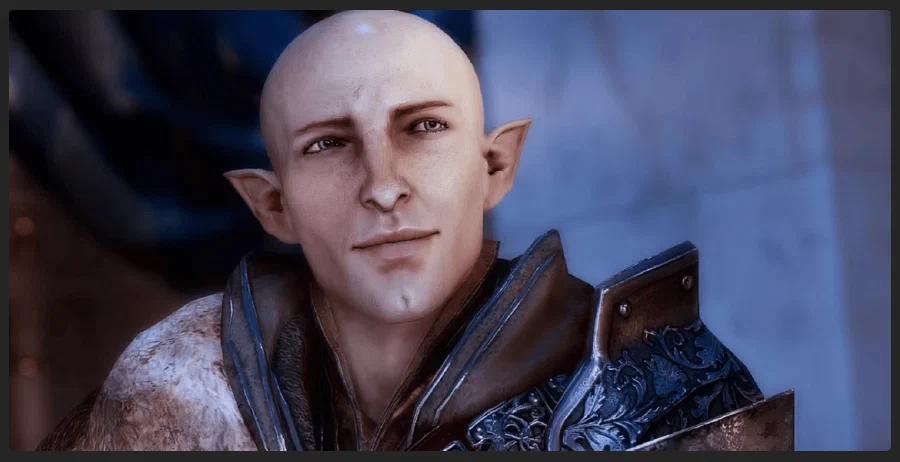
The environments are genuinely beautiful, performance on PlayStation 5 is solid, and the purple-heavy color palette really worked for me (purple is one of my favorite colors, after all). But what worked for me clearly wasn’t the consensus among older fans.
(Oh, and a positive highlight: the hair physics are spectacular. Kudos to whoever worked on that!)
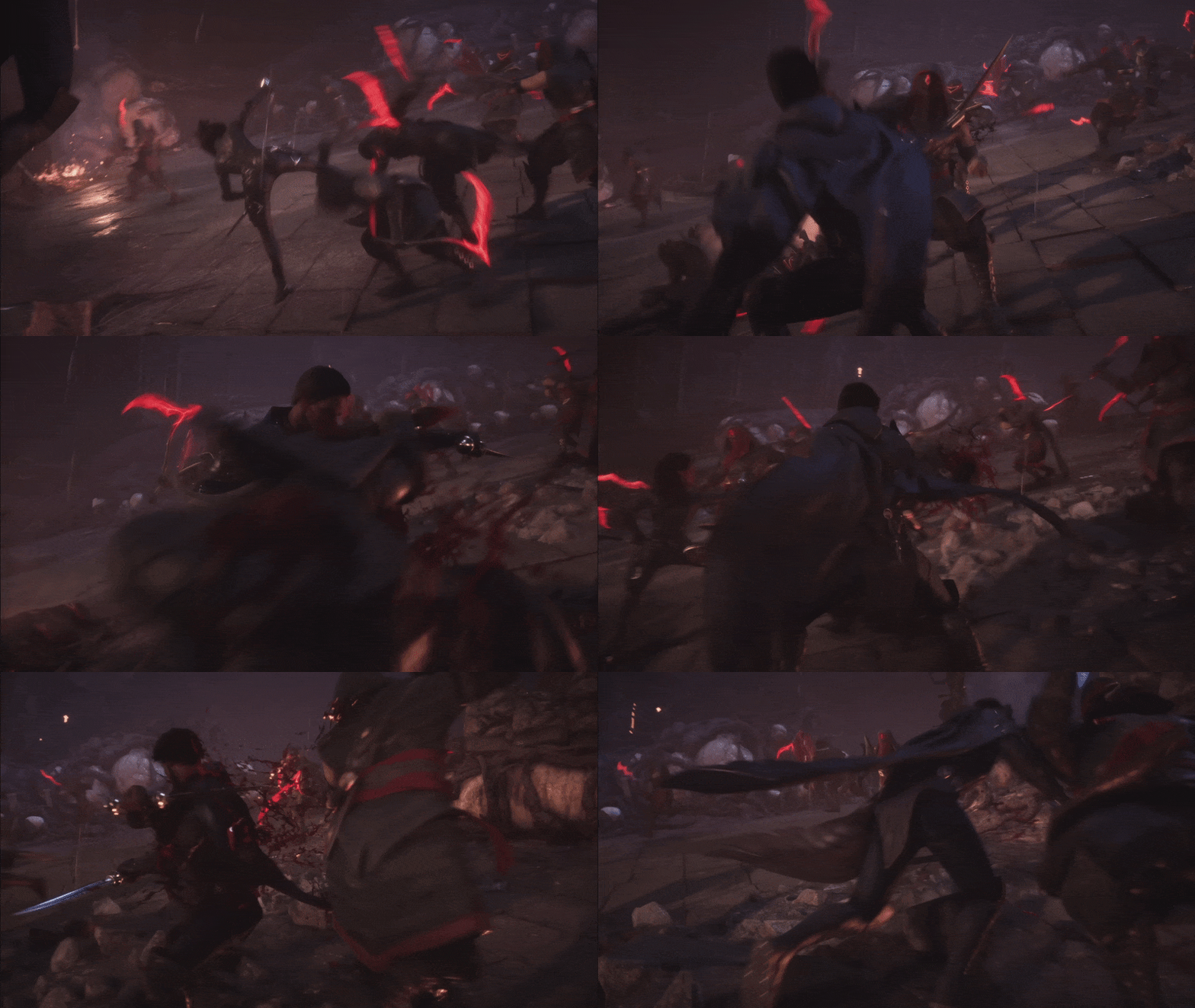
Combat for people who don’t want to suffer
If you spent hours mastering the combat system in Dragon Age: Inquisition, get ready for something completely different. The Veilguard embraces a more hack-and-slash style, leaving behind the tactical approach that many fans loved. At most, you can pull off some chain combos with your companions.
For me, that wasn’t a problem — I enjoy dynamic, low-friction combat — but I recognize that for fans of a more strategic style it might have felt like a bucket of cold water. The difficulty also seems to have been tuned toward the more accessible end. I died very few times (maybe five at most, and only because I was being stubborn), but if you assemble a team with adequate support, you can take on enemies well above your level without much trouble.
Spoiler: I’m talking about having these two cuties as your adventure companions:
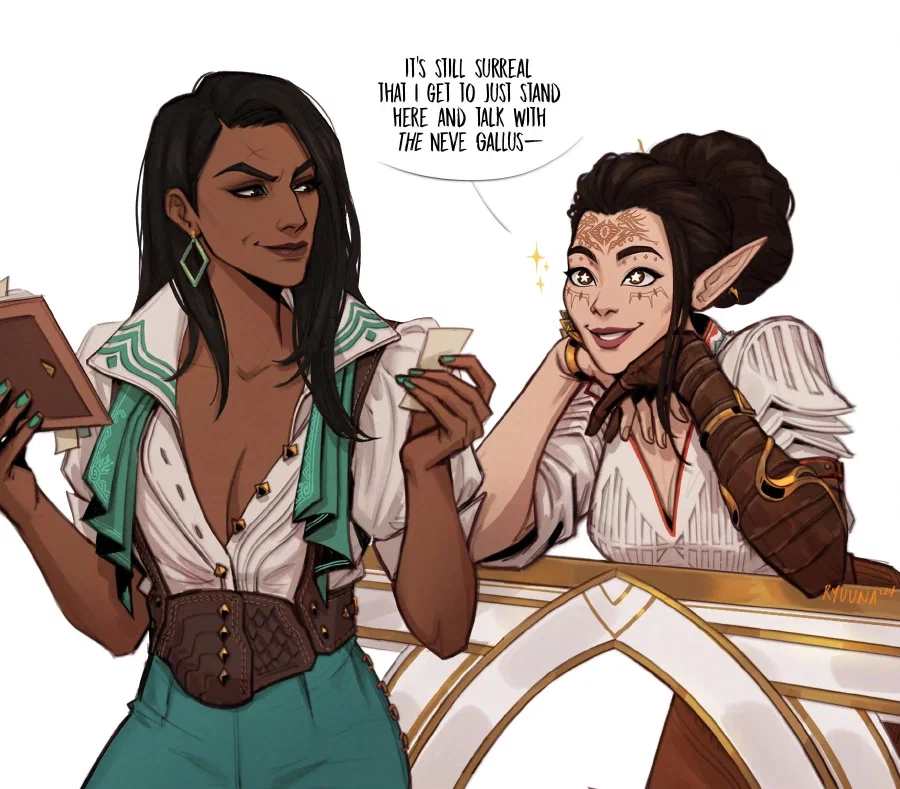
In short: if you’re looking for a real combat challenge, you might need to look elsewhere. If you enjoy hack-and-slash, this could be a fun ride.
The suspension of the suspension of disbelief
The suspension of disbelief is what lets you watch a Fast & Furious movie and, instead of yelling “impossible!”, just think “wow, what a scene!” It’s essential for immersion, especially in fantasy worlds.
This is where one of the most debated aspects of The Veilguard comes in: the inclusion of diversity. Representation is something important and welcome — I personally live diversity in my day-to-day life — but there are more subtle and natural ways to weave it into the narrative of entertainment products.
The issue is that some choices felt out of place within the game’s own universe. For example: if we’re in a world where mages can alter their physical form with spells, does it make sense to include mastectomy scars? If the world is on the brink of destruction, does it make sense for an entire side quest to focus solely on the gender identity of an NPC? Does it make sense for an NPC to be called out for not using gender-neutral pronouns while Elvhen gods Elgar’nan and Ghilan’nain are spreading chaos and killing thousands?
The problem isn’t diversity itself, but when its inclusion seems done without regard for the coherence of the fictional universe. (Hey, Sweet Baby Inc! We see you, and we see the disservice you’re doing to actual diversity policies.)
It’s a delicate balance. When done well, it enriches the narrative — Cyberpunk 2077, the acclaimed Baldur’s Gate 3, the Tomb Raider franchise, the beautiful Life is Strange, the Mass Effect series, Dandara, Cult of the Lamb (which makes you think about religion and its impacts), and an almost endless list of games follow this approach.
When done in a rushed or poorly integrated way, it generates friction — not out of prejudice, but because it breaks immersion.
Fanfic or professional screenplay?
The final portion of the game is surprising because it feels like it was written by a noticeably more experienced writing team than the rest. Dialogue improves, the plot comes together more cohesively, and the ending delivers an interesting plot twist.
But the road to get there? It feels like it passed through too many different hands, and at certain moments reads more like a fanfic than the solid screenplay you’d expect from a BioWare RPG. If you enjoy games with a tight, engaging narrative, you might find yourself a bit frustrated.
If, on the other hand, you skip dialogue and just want to get to the action… well, this game was made for you.
TL;DR — Conclusion
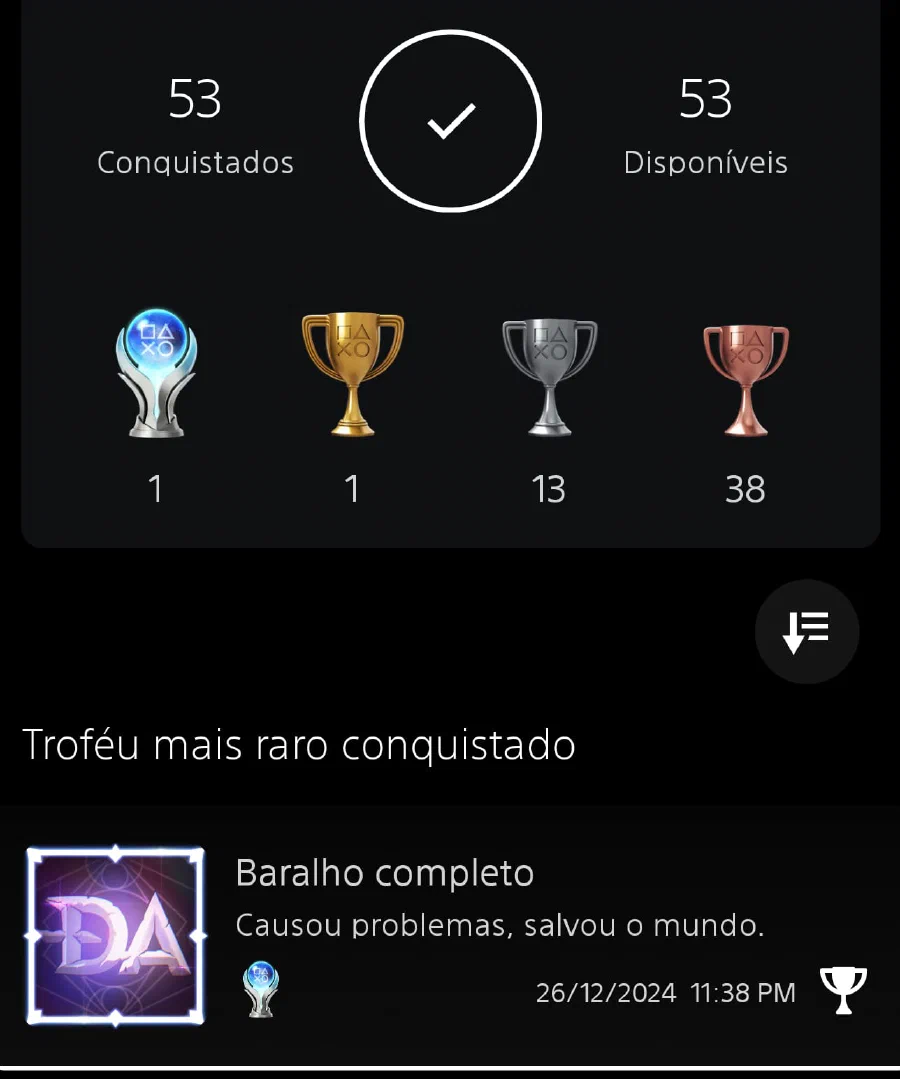
Despite its flaws, I bought the physical edition and played The Veilguard for over 100 hours, explored every corner of the game, and nearly got everything (I only missed two chests). If you’re looking for a lighter RPG with fluid combat, easy level progression, a very streamlined weapon upgrade system, and pretty visuals, it might be a solid pick. Just don’t expect the narrative weight and atmosphere of the earlier entries in the series.
Free (well, not free-free) on Plus, it’s well worth diving into Rook’s story and the companions around him.
Oh, and if you’re a trophy hunter: this platinum is very easy to get.
(っ´ω`c)♡ All images in this post were generated with Google Gemini .
